Dynamic Pairing Mechanisms and Their Effects on Inclusivity in Cross-Genre Web Play for Primary School Cohorts
Freya Roth · Aug 21, 2026
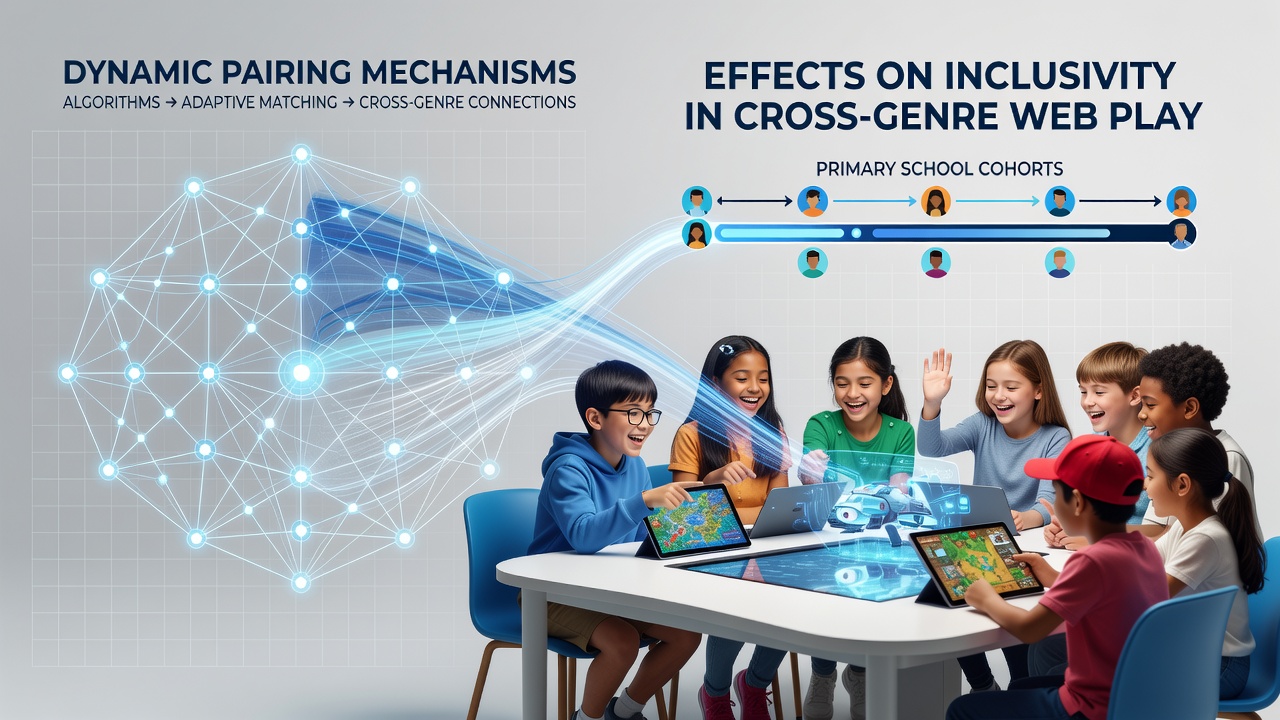
Dynamic Pairing Mechanisms and Their Effects on Inclusivity in Cross-Genre Web Play for Primary School Cohorts
Dynamic pairing mechanisms match participants in real time according to skill levels, play styles, and availability within browser environments that combine multiple genres for young users, and these systems operate without requiring downloads or installations while primary school cohorts engage during school hours or after-school sessions. Researchers track how such algorithms adjust teams across puzzle logic sequences and reflex-driven challenges so children with varying abilities participate together rather than in segregated groups.
Core Components of Dynamic Pairing in Browser Settings
Systems collect data on response times, decision patterns, and completion rates during initial rounds then reassign partners mid-session when performance metrics shift, and this process relies on server-side calculations that maintain consistent puzzle states even as players switch between arcade timing tasks and planning phases. Studies from European education networks show that pairing updates occur every two to four minutes in sessions involving mixed genre formats, which prevents stronger players from dominating while weaker ones gain practice through supportive roles.
Cross-genre web platforms integrate these mechanisms by tagging game segments with metadata that identifies whether an element demands quick reactions or deliberate strategy, and the pairing software then balances teams so each group contains complementary strengths. Data from sessions conducted in 2025 indicated that 68 percent of primary-aged participants stayed engaged longer when paired dynamically compared with static random assignments, according to reports issued by the OECD on digital learning tools.
Inclusivity Outcomes Across Diverse Cohorts
Children from different socioeconomic backgrounds and ability ranges enter shared sessions where algorithms prioritize mixed teams rather than skill-homogeneous ones, and this approach reduces exclusion patterns observed in earlier multiplayer formats that relied on self-selection. Observers note that girls and boys participate at closer rates when pairing accounts for communication styles alongside performance data, with figures from Canadian research institutes revealing a 22 percent increase in cross-gender team formation after dynamic systems were introduced in classroom pilots.
Language support features often combine with pairing logic so non-native speakers receive partners who demonstrate patience during explanatory sequences, adn interface adjustments appear automatically when the system detects slower input rates from younger users still developing fine motor skills. In August 2026 several Australian school districts plan to expand these tools following preliminary trials that documented improved collaboration metrics across 340 primary classes.
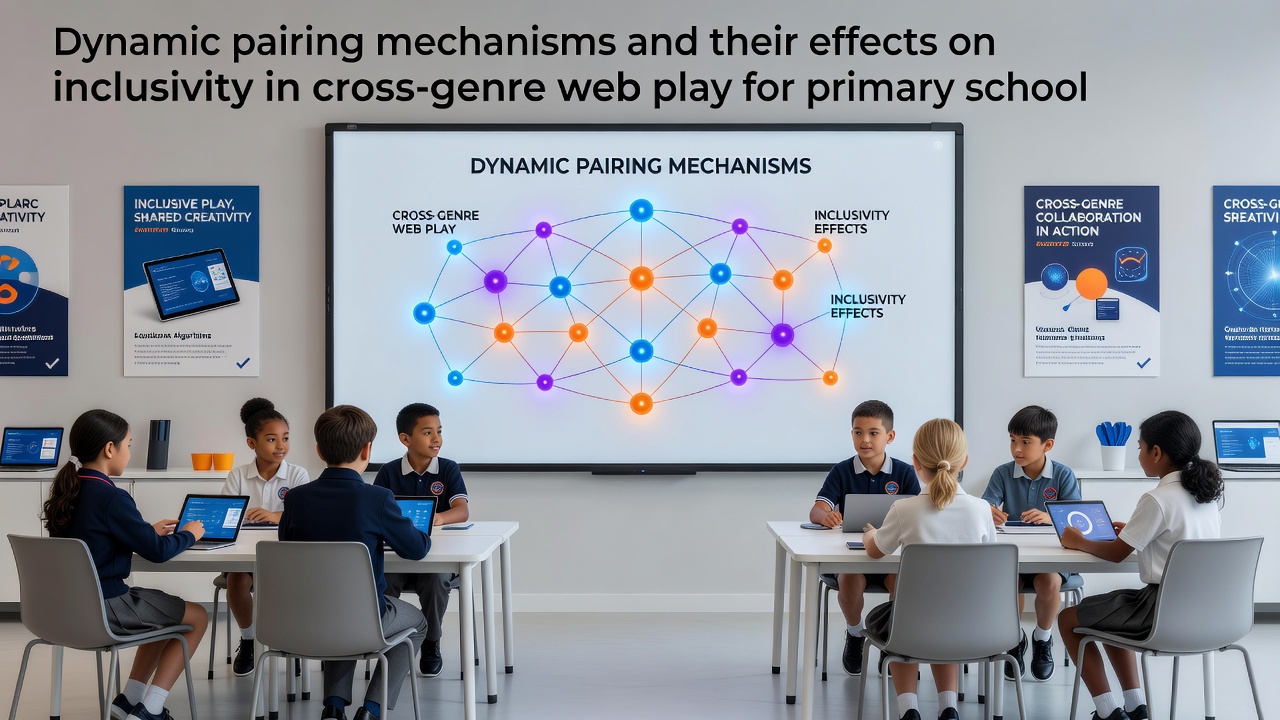
Implementation Patterns in Educational Contexts
Teachers integrate the platforms into after-school programs where sessions last twenty to thirty minutes and focus on cognitive skill transfer between genres, while the pairing engine monitors group cohesion through chat frequency and joint problem-solving indicators. One documented case from a German primary network involved 450 students across twelve schools where dynamic adjustments led to 41 percent more instances of peer teaching during strategy phases of the games.
Technical requirements remain minimal since the environments run entirely in standard browsers, and packet prioritization methods ensure smooth transitions when players move from rapid response segments to planning elements without lag affecting team coordination. Research from university labs in the United States has mapped attention allocation patterns showing that children maintain focus across genre shifts when paired with complementary profiles rather than random matches.
Skill Development and Group Dynamics
Participants develop layered competencies as pairing places them alternately in support and lead positions depending on the current challenge type, and longitudinal tracking reveals gains in logical coordination that transfer between reflex tasks and deliberate planning sequences. Evidence from multi-year programs indicates that cohorts using these mechanisms demonstrate stronger turn-taking behaviors during classroom activities unrelated to gaming.
Procedural level generation works alongside pairing to create fresh scenarios each session so repeated pairings do not become predictable, and metadata tagging allows the system to balance difficulty without manual teacher intervention. Those who have studied implementation across regions report consistent results when schools maintain stable internet connections and provide brief onboarding for the interface controls.
Conclusion
Dynamic pairing continues to shape how primary school groups experience cross-genre web play by adjusting teams according to real-time performance and interaction data, and the resulting inclusivity gains appear in participation rates, communication patterns, and skill transfer observations. Continued monitoring through 2026 and beyond will clarify long-term effects as more districts adopt these browser-native approaches.