Examining Procedural Generation Methods for Dynamic Levels in Browser-Based Multiplayer Games
Zoe Klein · Jul 26, 2026

Examining Procedural Generation Methods for Dynamic Levels in Browser-Based Multiplayer Games
Procedural generation creates level structures through algorithms that assemble environments from predefined rules and random seeds rather than hand-crafted designs, and this approach has gained traction in multiplayer strategy and adventure titles accessed via standard web browsers. Developers apply methods such as Perlin noise for terrain elevation, cellular automata for organic cave systems, and graph-based pathfinding to ensure navigable spaces that adapt each session while maintaining consistency across connected players.
Core Algorithms Driving Level Creation
Noise functions form the foundation of many terrain systems because they produce coherent patterns at multiple scales, allowing smooth hills alongside jagged cliffs within the same map, and researchers at various institutions have documented how these functions integrate with browser rendering pipelines using JavaScript and WebGL to generate height maps in real time. Cellular automata extend this capability by simulating cell evolution rules that carve out rooms and corridors, a technique observers note works efficiently in distributed environments since each client can run identical seed-based calculations to reach matching results without constant server intervention.
Graph algorithms complement noise methods by constructing connection networks between key points, and data from academic sources indicate these graphs prevent dead ends while preserving strategic choke points essential for multiplayer balance. In July 2026 browser engine updates improved WebAssembly performance, which in turn allowed more complex graph traversal calculations to execute client-side during live sessions.
Browser-Specific Implementation Challenges
Standard web technologies impose constraints on memory allocation and computation speed, yet developers address these limits through chunked generation that loads only visible map sections first, and studies from European research centers show this method reduces initial load times while supporting seamless exploration in adventure formats. Synchronization protocols ensure every participant views identical structures despite independent generation, often relying on shared seeds transmitted at session start combined with deterministic random number generators.
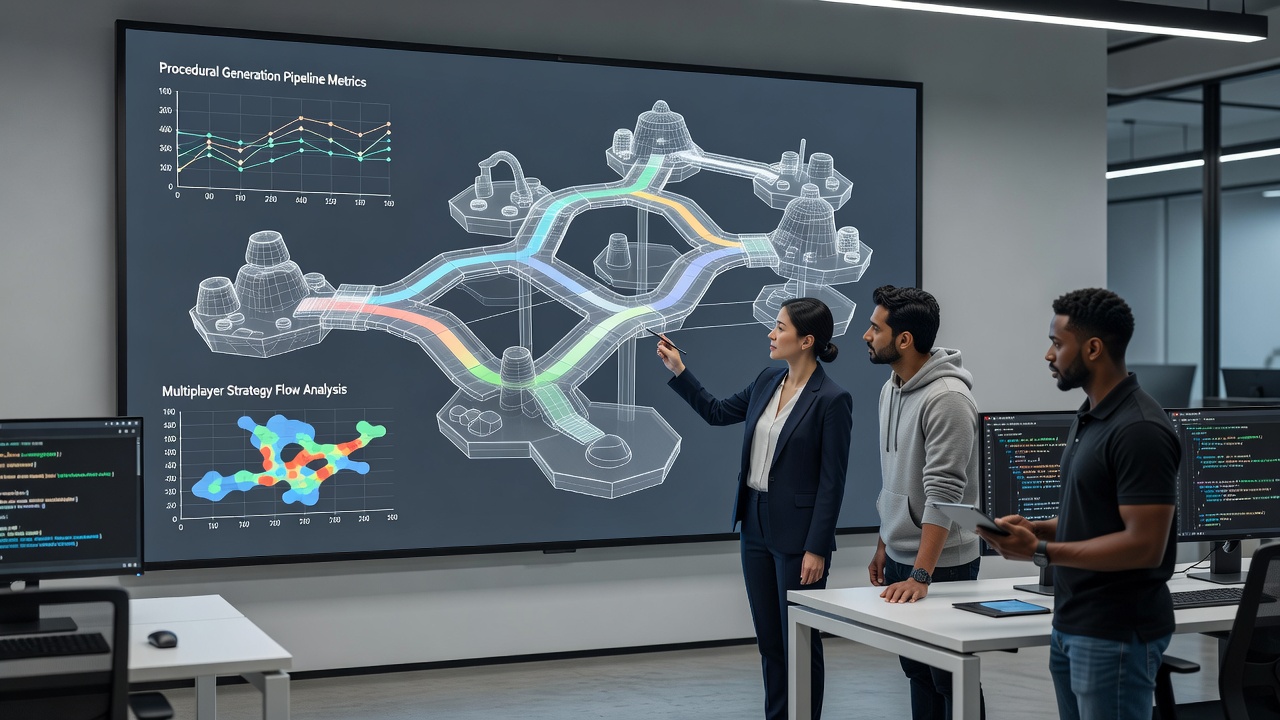
Packet prioritization techniques help maintain fluid play when timing-based challenges intersect with planning elements, because critical state updates receive higher transmission precedence over less urgent visual details. Industry reports from the Interactive Games and Entertainment Association highlight adoption rates of such hybrid generation systems in no-install formats, where players access content directly through HTML5 without additional plugins.
Adaptation Across Strategy and Adventure Genres
Strategy formats benefit from modular room placement that creates varied tactical landscapes each match, whereas adventure titles use layered biomes generated from biome-specific rulesets that introduce exploration variety without breaking narrative flow. Those who have examined cross-genre applications find that combining both approaches in shared sessions requires careful calibration of generation parameters so resource distribution remains fair for team coordination.
One documented case involves distributed systems where reflex-driven segments transition into deliberate planning phases, and the underlying algorithms adjust density parameters based on player count to avoid overcrowding or empty zones. Academic papers available through university repositories demonstrate measurable improvements in replay value when procedural methods replace static maps, with retention metrics tracked across multiple regions including North America and Asia-Pacific markets.
Future Directions in Distributed Environments
Emerging standards for real-time web communication continue to expand possibilities for more intricate generation rules that respond to collective player actions, and government digital innovation programs in Canada have funded pilot projects exploring these integrations. Observers note that maintaining state consistency during rapid exchanges remains a technical priority, particularly when adventure elements require persistent changes to generated structures across all participants.
Conclusion
Procedural generation methods continue to evolve within browser constraints, delivering dynamic level structures that support both competitive strategy and exploratory adventure play in multiplayer settings. Data from multiple research channels confirm these techniques enhance accessibility by eliminating installation barriers while preserving structural integrity across distributed user bases, and ongoing refinements in July 2026 and beyond point toward even tighter synchronization between client-side calculations and server oversight.