Observing Collective Memory Formation in Browser-Based Puzzle and Action Games for School-Age Groups
Zoe Klein · Aug 4, 2026
Observing Collective Memory Formation in Browser-Based Puzzle and Action Games for School-Age Groups
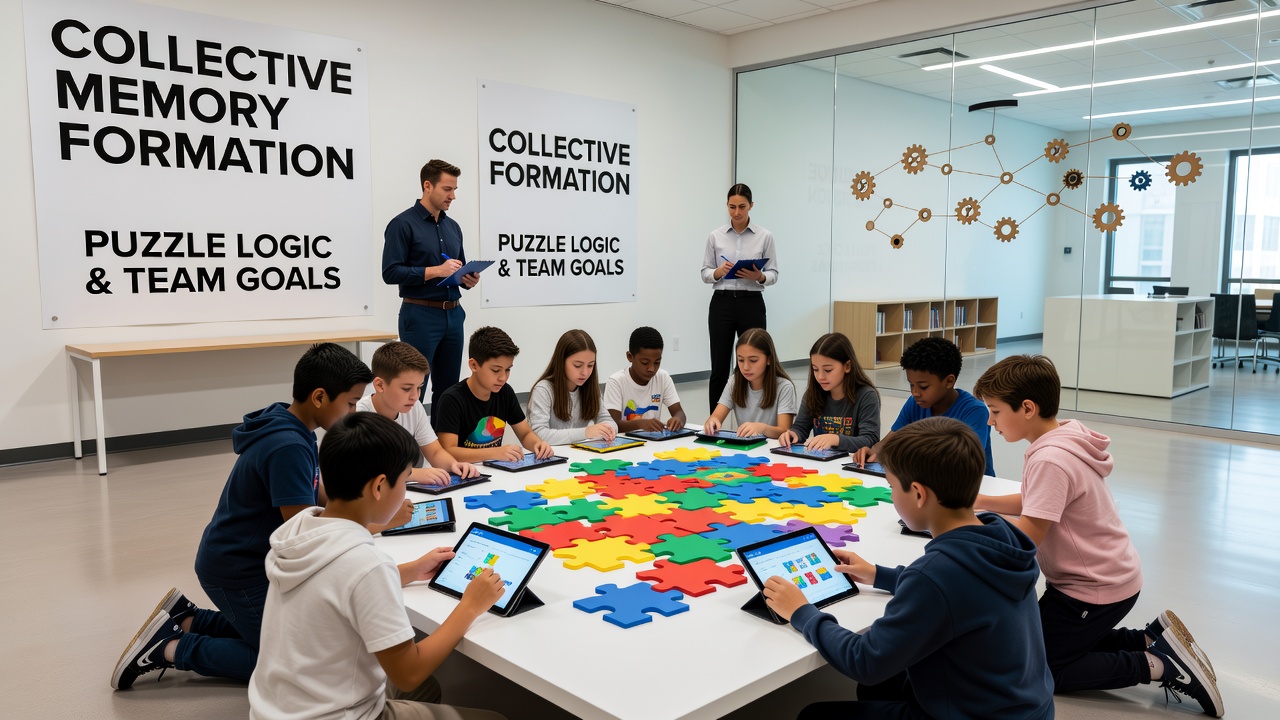
Researchers track how school-age participants build shared recollections during sessions in no-install web environments where puzzle elements meet coordinated action sequences, and data from multiple programs show consistent patterns emerging across different age clusters. These setups allow groups to access games instantly through standard browsers, which eliminates setup barriers and lets teams focus on immediate interaction with logic-based tasks that require synchronized responses alongside exploratory moves.
Core Mechanics in Shared Web Spaces
Game formats in these environments blend sequential puzzle steps with real-time action goals, so one player might solve a spatial arrangement while teammates execute timed movements to advance the shared objective, and this intersection creates repeated opportunities for groups to encode joint experiences. Observers note that participants often reference prior rounds verbally or through in-game signals, which strengthens the collective recall of successful sequences over multiple plays.
Patterns Across Age Groups
Studies from educational programs indicate that children between eight and twelve years old demonstrate measurable increases in referencing past strategies after repeated exposures to these hybrid formats, whereas younger participants tend to rely more on immediate visual cues within the interface. Data collected during after-school sessions reveal that teams develop shorthand terms for recurring puzzle states, and those shorthand references appear more frequently when the group returns to similar challenges in later rounds.
August 2026 brought new reports from international education networks that documented similar memory consolidation effects across browser platforms used in Canada and Australia, and those findings align with earlier observations from European school pilots. The reports highlight how distributed sessions maintain consistent puzzle states through browser synchronization, which supports the transfer of learned sequences without local installations.
Skill Layering Through Repeated Exposure
Participants develop layered competencies as they shift between deliberate planning phases and reflex-driven actions, and researchers have mapped these shifts through session recordings that capture both verbal coordination and on-screen timing. One documented case involved a group that refined its approach to a multi-stage level by recalling a specific sequence of moves from a prior session, which reduced completion time while maintaining accuracy across team roles.
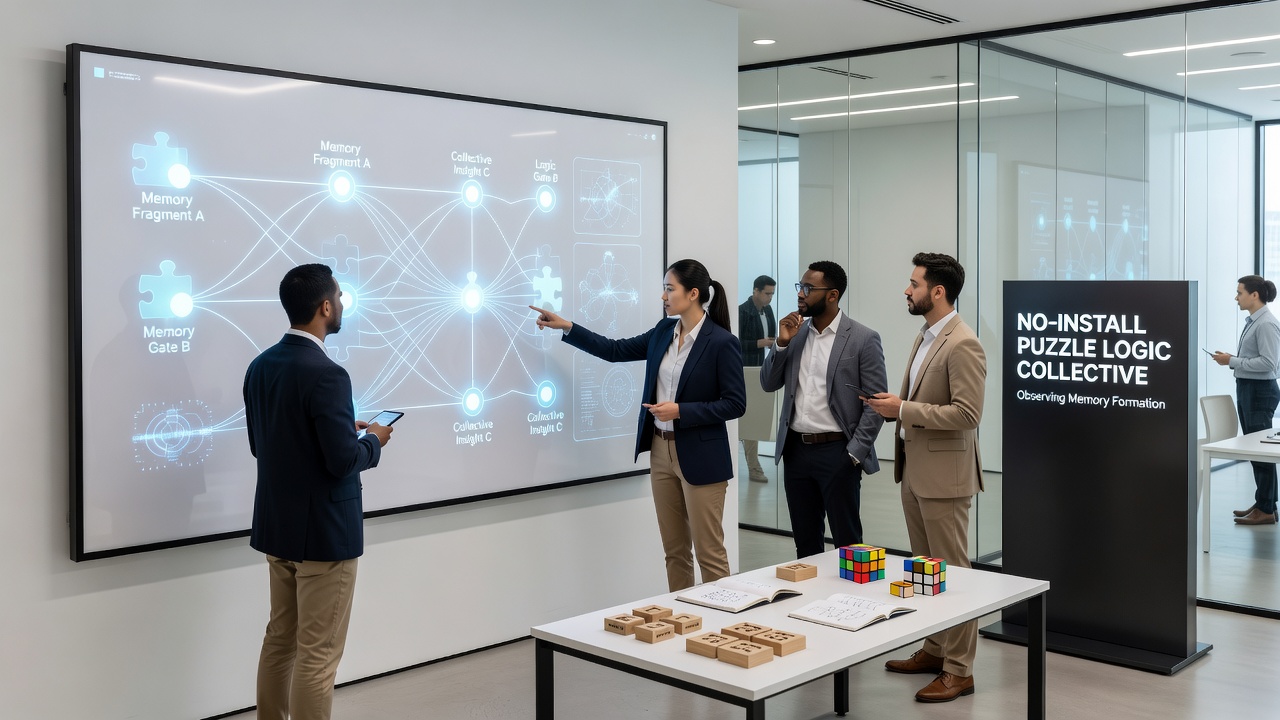
Interface designs that prioritize fluid state updates enable this memory formation by keeping all team members aligned on current puzzle conditions, and industry analyses from the Entertainment Software Association show rising adoption of such tools in educational settings. The same analyses point to increased participation rates in regions where no-install access removes hardware limitations for school networks.
Coordination Data and Research Sources
Academic tracking at institutions including the University of Melbourne has examined attention allocation during these mixed-genre sessions, and results indicate that groups allocate more discussion time to strategy recall after the first few exposures. Government data from the U.S. Department of Education similarly records higher retention of group tactics when sessions occur in browser environments that preserve progress across devices. These sources emphasize measurable outcomes in logical coordination rather than subjective impressions.
Additional observations from programs in the European Union note that synchronization protocols help maintain puzzle continuity during real-time exchanges, which in turn supports the gradual formation of collective memory around effective action sequences. Teams that engage over several weeks show stronger tendencies to reconstruct prior solutions from partial cues, according to session logs compiled by participating schools.
Broader Implications for Educational Settings
Programs integrating these web formats report that collective memory supports skill transfer between puzzle logic and team action components, and this transfer appears across varied group sizes. Data from after-school initiatives demonstrate that participants apply remembered sequences to new levels without explicit instruction, which suggests the formation of reusable mental models shared among team members.
Further tracking in 2026 sessions continues to explore how browser constraints influence the pace of memory consolidation, while maintaining focus on observable behaviors such as repeated references to earlier strategies and reduced error rates in coordinated tasks. Researchers continue to collect session metrics that quantify these developments without relying on self-reported experiences.
Conclusion
Evidence from multiple regions and program types shows that no-install environments facilitate collective memory formation when puzzle logic intersects with team-based action goals, and this process unfolds through repeated shared sessions that allow participants to reference and refine joint strategies. Continued documentation from educational networks and research bodies provides ongoing data on these dynamics for school-age groups.