Tracking Decision Patterns in Browser-Based Team Games for Young Players
Freya Roth · Aug 14, 2026
Tracking Decision Patterns in Browser-Based Team Games for Young Players
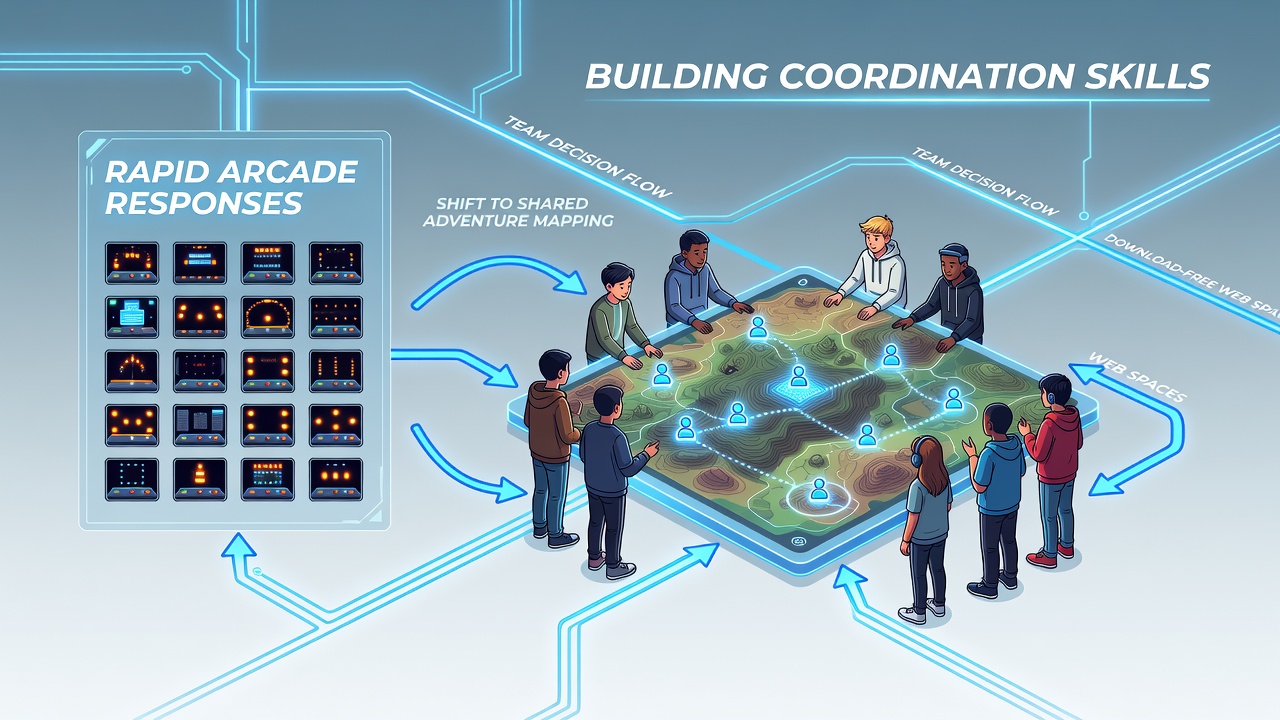
Browser environments without downloads create spaces where young players move between immediate reflex actions and collective planning phases during group sessions. Data collected across multiple platforms shows distinct flow sequences emerge when teams handle arcade segments that demand split-second timing before transitioning into shared mapping tasks that require coordinated input from all members.
Core Elements of the Flow Sequence
Researchers have documented how teams initiate sessions with rapid response segments that test individual timing while simultaneously feeding data into group awareness. Once an arcade challenge concludes, players shift toward mapping interfaces where previous quick decisions influence route selections and resource allocations. This alternation builds layered coordination because each phase depends on information carried forward from the last.
Observations indicate that successful teams maintain communication threads across both modes rather than resetting focus when the interface changes. Quick reactions in one segment provide raw data points that inform slower strategic choices in the next. Platforms supporting these transitions use consistent state synchronization so that performance metrics from arcade portions carry directly into adventure planning screens without requiring separate logins or reloads.
Recent Data Releases and Platform Trends
Figures released in August 2026 from multi-country tracking initiatives reveal that sessions lasting over twenty minutes show measurable increases in cross-phase information transfer. Teams using download-free interfaces demonstrate higher rates of shared vocabulary development when they repeatedly cycle between reflex tasks and mapping exercises. The patterns appear consistent across different age cohorts within school-aged groups, with coordination metrics improving after repeated exposure to the same flow structure.
One notable pattern involves a brief pause phase immediately after arcade segments where players review timing results before committing to map adjustments. This micro-transition allows the group to align individual performance data with collective goals without breaking session momentum. Platforms that streamline this review step through overlaid summaries report sustained engagement levels across longer play periods.
Coordination Skill Pathways
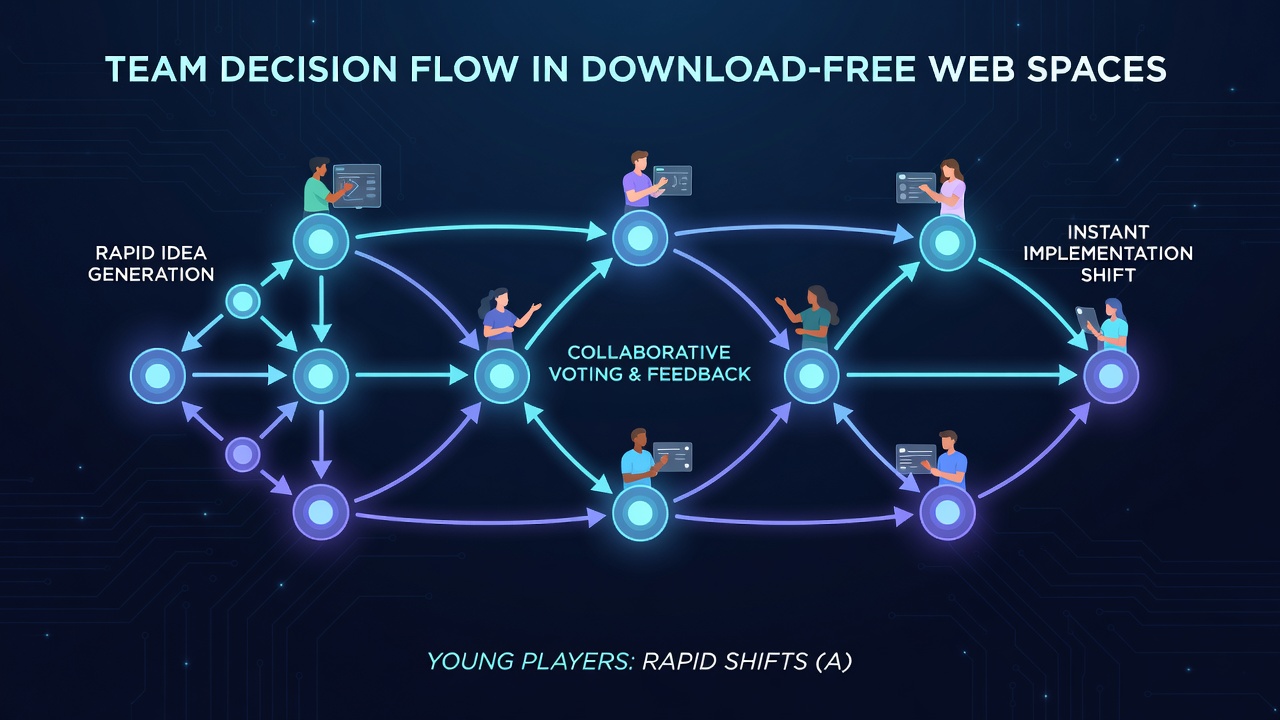
Studies tracking skill development find that the shift between modes encourages players to externalize internal timing judgments into verbal or text-based updates for teammates. Those updates then shape subsequent planning choices. Evidence from session logs suggests this externalization process strengthens group memory for past decisions and reduces redundant actions during later phases.
Teams that establish consistent cue systems during early sessions tend to accelerate their flow patterns over time. Quick signals developed in arcade sections carry over to mapping sections where they function as shorthand references for strategy adjustments. The result is a tighter decision loop that minimizes downtime between response types.
Interface Features Supporting the Patterns
Design choices in browser environments play a direct role in sustaining these flows. Persistent player status indicators allow teammates to see reflex performance outcomes without leaving the planning view. Real-time map updates that incorporate timing scores from arcade segments create visible connections between the two activity types. Developers who prioritize low-latency state sharing across these elements report smoother group transitions according to usage analytics.
Additional support comes from modular chat systems that remain active during both fast and slow phases. Players can reference specific timing events while adjusting shared objectives, which keeps the decision thread continuous. Platforms that log these cross-references show higher rates of adaptive strategy changes within single sessions.
Observed Variations Across Settings
Patterns differ slightly depending on group size and session frequency. Smaller teams of three or four players exhibit tighter integration between phases because fewer voices compete for attention during the shift. Larger groups develop subgroup roles where some members specialize in relaying arcade data while others focus on map synthesis. Both configurations demonstrate measurable coordination gains when the underlying web interface maintains consistent pacing cues.
According to Entertainment Software Association reports, browser-based multiplayer formats continue to expand access for school programs seeking structured play without installation barriers. Separate tracking from Canadian digital literacy initiatives shows parallel growth in after-school environments where these flow patterns appear repeatedly.
Conclusion
Browser spaces that support rapid arcade responses alongside shared adventure mapping generate observable decision flows in young player groups. The alternation between modes creates opportunities for information transfer that strengthens team coordination over repeated sessions. Data from 2026 tracking efforts confirms these patterns hold across varied group sizes and platform implementations when interfaces preserve state continuity and communication access. Further examination of session logs continues to map how specific cue systems and review pauses contribute to the overall coordination process.